

For Mumbai homebuyers, the journey toward purchasing a property in 2026 begins with strategic planning today. Buying a house is a significant financial commitment that requires preparation well beyond simply saving for a deposit.
To navigate the Mumbai market effectively, prospective buyers must address financial readiness, market timing, and credit optimisation immediately. This preparation also involves understanding specific regulatory frameworks like MahaRERA compliance and identifying infrastructure-led opportunities in emerging areas such as Sewri, Bandra, and Versova.
By treating real estate as a tangible wealth creation alternative to volatile stocks, early preparation ensures you are ready to act when the right opportunity arises.
Understanding Mumbai’s 2026 Real Estate Outlook: Why Now is the Time to Act
To successfully navigate the market, one must understand the economic factors driving property values. Analysts project a 5-6% price appreciation for Mumbai’s real estate market in 2026. This growth is underpinned by significant institutional investments, which are expected to cross $1.2 billion in 2026.
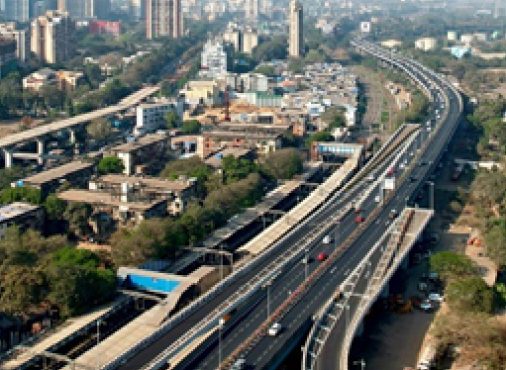
The primary drivers for this appreciation are massive infrastructure catalysts. Projects such as the Mumbai Trans Harbour Link and the Sewri-Worli Elevated Connector are stimulating growth in strategic locations by drastically improving connectivity.
Furthermore, the market is currently experiencing a limited inventory with a 20-month overhang. This scarcity creates a sense of urgency for buyers, as the window to secure premium properties at current rates is narrowing before the projected appreciation takes full effect.
Financial Assessment: Calculating Your True Home-Buying Budget
Before you start viewing properties, establish a realistic affordability range. Buying a house in Mumbai involves costs that go far beyond the listing price.
A comprehensive budget calculation must include Mumbai-specific statutory costs, such as the 6% stamp duty and registration charges, which are typically ₹30,000 for properties valued above ₹30 lakh. Additionally, buyers must factor in the Goods and Services Tax (GST) for under-construction properties, along with recurring expenses like maintenance charges and property tax.
To ensure financial health, it is advisable to follow the 28/36 debt-to-income rule. This guideline suggests that your household expenses should not exceed 28% of your gross income, and your total debt service (including the new mortgage) should not exceed 36%.
Crucially, this calculation must be done while ensuring the preservation of your emergency fund, so you’re not left vulnerable after the purchase.
Read Also: Why Investing in Rustomjee Properties in 2025-2026 Could Double Your Net Worth
Credit Score Optimisation: Your Key to Better Mortgage Rates
Your credit score is the single most important factor in determining the interest rate on your home loan. In Mumbai’s competitive lending market, maintaining a credit score of 760+ is essential for securing the best possible mortgage rates.
The financial impact of a strong score is substantial; even a 0.5% difference in the interest rate can save a borrower approximately ₹36,625 in interest on a ₹30 lakh loan over a 30-year tenure. To optimise your credit profile before buying a house, take the following actionable steps:
- Review Credit Reports: Regularly check reports from bureaus like Equifax, Experian, or CIBIL to ensure accuracy.
- Dispute Errors: Immediately dispute any inaccuracies found in these reports to prevent them from dragging down your score.
- Manage Utilisation: Specific aim to maintain a credit utilisation ratio of 30% or lower.
- Freeze New Applications: Avoid applying for new credit cards or loans 6-12 months before your intended home purchase to avoid hard inquiries that can temporarily lower your score.
Strategic Savings Plan: Building Your Down Payment and Closing Cost Reserve
A robust savings strategy is critical for meeting the upfront costs of homeownership. Mumbai buyers should generally target a savings goal that covers a 10-20% down payment plus closing costs.
While some financing options allow for lower down payments (similar to FHA-style 3.5% options in other markets), aiming for a conventional 20% down payment offers significant benefits, including the avoidance of mortgage insurance and lower monthly EMIs.
To achieve this, consider placing funds in high-yield savings accounts for goals within a 2-year timeline, or conservative investment options for longer timelines. It is vital to distinguish these funds from your financial safety net; always maintain a 3-6 month emergency fund separate from your home purchase reserves to handle unforeseen life events without jeopardising your property transaction.
Debt Management: Reducing Your DTI Ratio for Stronger Loan Applications
Lenders rigorously evaluate your Debt-to-Income (DTI) ratio to assess your repayment capacity. Traditionally, lenders prefer a DTI ratio of no more than 36%. If your current debt levels are high, it can severely impact your borrowing capacity when buying a house.
Strategies to improve your DTI include:
- Paying Down High-Interest Debt: Focus on clearing outstanding balances on high-interest credit cards.
- Consolidation: Consider consolidating personal loans to lower monthly outflows.
- Postponing Large Purchases: Delay major financial commitments, such as car financing, until after your home loan is secured.
- No New Credit Lines: Strictly avoid opening new credit lines during the home-buying process to maintain a strong and stable borrowing profile.
Read Also: Which Asset Should I Buy Under ₹1 Crore?
Location Research: Identifying Mumbai’s High-Growth Areas for 2026
Successful real estate investment requires identifying localities that offer an optimal balance of value and appreciation. For 2026, several Mumbai localities are emerging as high-growth areas due to infrastructure developments:
- Sewri: This area is transforming into an epicentre of connectivity. The Mumbai Trans Harbour Link reduces travel time to Navi Mumbai to under 30 minutes, while the Sewri-Worli Elevated Connector provides 20-minute access to the Coastal Road. Projects like Rustomjee Sewri position residents at the heart of this transformation.
- Bandra West: Known for established luxury, Bandra West continues to be a prime location. Rustomjee Cliff at Mount Mary offers exclusive 4-5 BHK residences and penthouses, catering to those seeking prestige and heritage.
- Versova: For those desiring a beachfront lifestyle, Versova offers significant appeal. Rustomjee Ocean Vista features 4-5 BHK sea-facing homes, combining luxury with the serenity of coastal living.
Common First-Time Buyer Mistakes to Avoid in Mumbai’s Market
Even with preparation, buyers can fall into common traps. To ensure a successful purchase when buying a house, avoid these prevalent pitfalls:
- Emotional Overspending: Do not exceed your budget based on emotions, as this leads to “house-poor” situations where high EMIs stifle your lifestyle.
- Skipping Inspections: Never skip professional home inspections, as they can reveal hidden structural issues that are expensive to fix.
- Underestimating Costs: Be aware of total costs beyond the down payment, including taxes and furnishing.
- Timing the Market: Avoid waiting endlessly for “perfect” market timing; focus instead on your personal financial readiness.
- Neglecting Research: Do not overlook neighbourhood research or fail to compare multiple lenders.
- Financial Changes: Avoid making major financial changes, such as changing jobs or buying vehicles, during the loan processing period.
Conclusion
Preparing to buy a home in early 2026 requires a disciplined approach to financial health and market research. By optimizing your credit score, amassing a substantial down payment, and understanding the hidden costs of ownership, you position yourself as a strong buyer.
Furthermore, identifying high-potential locations like Sewri and Bandra West and verifying projects through MahaRERA ensures your investment is safe and profitable. The real estate market is moving quickly; taking these steps today will ensure you are ready to capitalize on the opportunities 2026 has to offer.
Start your journey toward a premium home today. Explore Rustomjee Cliff Tower, Rustomjee Sewri, and Rustomjee Ocean Vista to find your perfect match.
FAQs
- How much should I save for a down payment on a property in Mumbai?
It is recommended to target a savings goal that covers a 10-20% down payment. While lower options exist, a 20% down payment helps avoid additional insurance costs and reduces your monthly burden.
- Is 2026 a good time to buy property in Mumbai, or should I wait?
With a projected 5-6% price appreciation and infrastructure catalysts like the Mumbai Trans Harbour Link driving growth, 2026 presents a strong opportunity. Waiting may result in facing higher prices due to limited inventory.
- What credit score do I need to get approved for a home loan in Mumbai?
A credit score of 760 or higher is critical for securing the best interest rates. Scores lower than this may still get approved, but will likely attract higher interest rates.
- How long does the home-buying process typically take in Mumbai?
The process can vary, but preparation should start 6-12 months in advance regarding credit freezing and savings. The actual transaction timeline depends on pre-approval speed and property readiness.
- Should I use a real estate agent when buying property in Mumbai?
While not mandatory, professional guidance can help navigate MahaRERA verification, negotiate terms, and identify high-growth areas like Sewri or Bandra that match your investment goals.