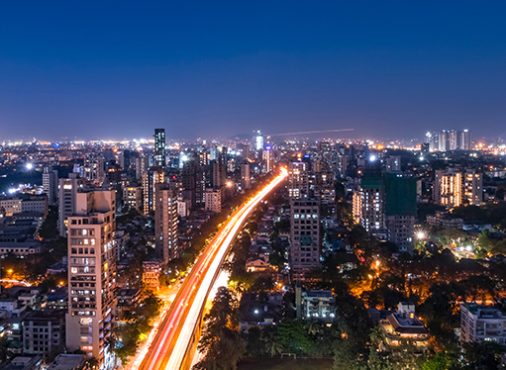

Juhu has always occupied a distinct position in Mumbai’s residential landscape. It is one of the few neighbourhoods where coastal living, cultural relevance, and long-term residential stability coexist without relying on future development cycles.
For NRIs and global Indians returning after years abroad, this balance often matters more than scale or novelty. Anchored by the 400049 pincode and the Arabian Sea coastline, Juhu functions as a fully established residential micro-market rather than an emerging luxury zone.
Tree-lined internal roads, established social infrastructure, and direct beach access shape daily living here. Unlike newer luxury corridors that rely on future infrastructure promises, Juhu’s appeal is already lived in.
For buyers looking to buy a flat in Juhu, the decision is rarely transactional. It is usually about returning to a neighbourhood that supports extended stays, family routines, and long-term ownership.
Juhu’s Celebrity Neighbourhood: Living Among Bollywood’s Elite
Juhu’s residential identity has been shaped over decades by sustained ownership from the Bollywood film industry. This ownership concentration has resulted in low residential churn, controlled redevelopment, and quieter internal streets, particularly within JVPD pockets such as Gulmohar Road and 10th Road, where access remains largely residential and commercial spillover is limited.
What this means for homebuyers:
- Discreet neighbourhoods rather than public-facing addresses.
- Limited through traffic on internal JVPD roads.
- A resident profile that supports long-term value stability.
For global homebuyers, this creates reassurance. Demand here comes largely from end users who value privacy, location, and legacy rather than short-term market cycles.
Read Also: Rustomjee’s Luxury Apartments in Bandra, Juhu & Thane – NRI Buyer’s Guide
Beachside Luxury: The Arabian Sea Lifestyle Advantage
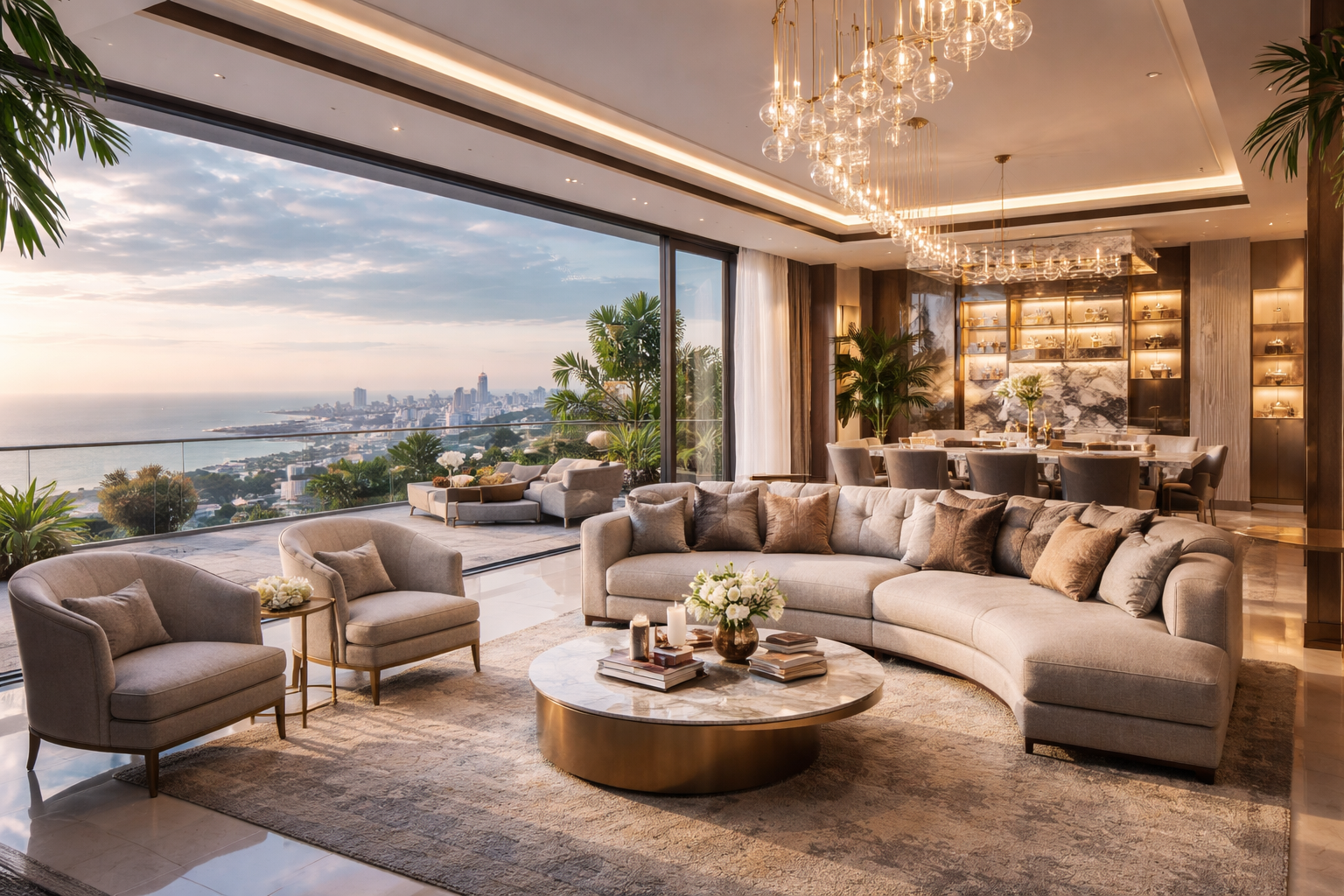
In Juhu, proximity to the sea shapes daily living patterns rather than occasional leisure, particularly for homes closer to Juhu Beach and Juhu Tara Road. Morning walks along Juhu Beach, open skies, and consistent sea breezes define the residential experience.
Homes closer to the shoreline benefit from better natural ventilation and softer evening temperatures. This makes day-to-day living more comfortable, especially for families spending long stretches in the city.
The coastline is supported by long-standing hospitality landmarks such as JW Marriott Mumbai Juhu and Novotel Mumbai Juhu Beach, which provide dining, wellness, and guest accommodation for residents and visiting family, without altering the residential character of surrounding streets.
Investment Fundamentals: Juhu’s Financial Appeal for Global Buyers
Juhu continues to rank among Mumbai’s highest-priced residential micro-markets, with pricing sustained by limited land parcels, redevelopment-led supply, and end-user-dominated demand. Unlike emerging luxury corridors, pricing here is driven by scarcity and redevelopment rather than large-scale new supply, positioning Juhu as a long-term holding rather than a speculative market.
|
Metric |
Juhu Range |
|
Average apartment prices |
|
|
JVPD Scheme average |
|
|
Premium and sea-facing homes |
₹55,000–₹80,000 per sq ft |
Rental demand in Juhu is driven largely by senior corporate leadership, film industry professionals, and expatriates seeking long-term leases in established neighbourhoods rather than short-term corporate housing. Typical residential rental yields in Juhu range between 3–4%, consistent with other prime western suburbs.
Value here is sustained by limited supply, a stable buyer profile, and the neighbourhood’s enduring appeal as a coastal residential address.
Rustomjee Ashiana: Boutique Living on Juhu’s 10th Road
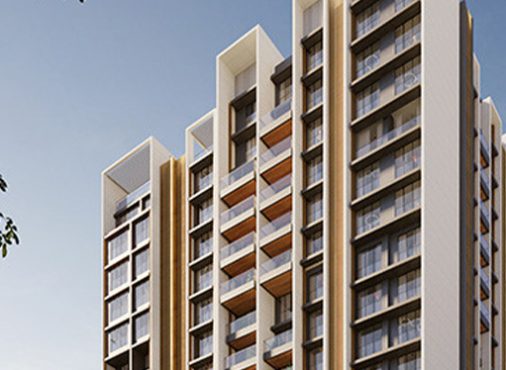
Rustomjee Ashiana is a low-density residential development located on Gulmohar Road within the JVPD Scheme, an address known for limited redevelopment and stable ownership patterns. Designed for buyers who prioritise privacy, permanence, and architectural restraint, the project is intentionally limited in scale and positioned as a long-term residential address rather than a high-turnover luxury offering.
The development offers spacious 3 and 4-BHK residences intended for owner-occupation, with layouts planned to support full-time living rather than investor-led configurations. Each floor accommodates only three residences, ensuring quieter common areas, controlled access, and a greater sense of personal space.
Here are the key project features:
- Private decks attached to residences, allowing outdoor seating, better ventilation, and natural light.
- Low-density planning with just three homes per floor.
- Terracotta brick façade, conceived as a long-term architectural identity rather than a decorative finish.
- MahaRERA-registered project (P51800049755), ensuring regulatory transparency.
- Payment structure of 20% on booking and 80% on possession, reducing upfront capital commitment.
Rustomjee Ashiana is supported by Rustomjee Plus services, which include post-handover assistance, property management, and ownership support. This structure is particularly relevant for NRIs and global buyers who require reliable, hands-off management during periods of absence.
Hassle-Free NRI Buying Process: From Overseas to Ownership
Buying property in India from overseas requires compliance with FEMA regulations, clear banking channels, and structured documentation. Rustomjee supports NRIs through a streamlined purchase process that allows most steps to be completed remotely.
Here’s what the process typically includes:
- Digital documentation and guided agreement execution.
- Payments are routed through NRE or FCNR accounts or via inward remittance, in line with RBI guidelines for NRI residential purchases.
- Home loan assistance from leading banks, subject to eligibility.
- Post-purchase services, including property management and leasing support.
This structure allows overseas buyers to complete ownership in Juhu without frequent travel or ongoing administrative follow-ups.
The Juhu Social Scene: Where Culture Meets Cosmopolitan Living
Juhu balances residential calm with long-established cultural institutions and neighbourhood-level social infrastructure. Prithvi Theatre remains a central cultural anchor, hosting plays, readings, and performances throughout the year.
Dining options include long-established venues such as Estella and Olive Bar & Kitchen, alongside smaller cafés and neighbourhood restaurants along Juhu Tara Road. Beachside food stalls at Juhu Chowpatty add a familiar local rhythm to evenings and weekends.
The neighbourhood also supports everyday wellness through local fitness studios, yoga spaces, and long seaside walks, making it easier for returning NRIs to settle into familiar routines without feeling closed off.
Read Also: Book Your Rustomjee Home from Overseas – Hassle-Free NRI Buying Process
Future Growth Trajectory: Juhu’s Continuing Evolution
Juhu’s future growth is expected to come largely from the selective redevelopment of older cooperative societies within JVPD and adjoining pockets, rather than from new land availability. Redevelopment activity in JVPD has remained selective, with most projects focused on low-rise replacement rather than density-led expansion.
While infrastructure improvements across Mumbai will enhance overall connectivity, Juhu’s core appeal continues to rest on its established residential character rather than future proposals. Its status as a preferred coastal address for long-term residential ownership has remained consistent across market cycles.
Conclusion
Juhu continues to stand apart as a residential address defined by permanence rather than momentum. Its coastal setting, established social fabric, and controlled redevelopment make it especially relevant for global homebuyers seeking long-term ownership rather than short-term exposure.
Projects like Rustomjee Ashiana reflect this ethos. With low-density planning, thoughtful layouts, and a location rooted within the JVPD Scheme, the development aligns with buyers who value privacy, stability, and everyday livability.
Explore how Rustomjee Ashiana offers a considered approach to boutique living in one of Mumbai’s most enduring neighbourhoods.
FAQs
- Can NRIs purchase property in Juhu under FEMA regulations?
Yes. Under FEMA guidelines, NRIs are permitted to purchase residential property in India without prior RBI approval. Payments must be made through normal banking channels using NRE, NRO, or FCNR accounts, or via inward remittance from overseas.
- How does Rustomjee Ashiana compare to other projects in Juhu?
Rustomjee Ashiana is positioned as a low-density, boutique development. With only three residences per floor, larger 3 and 4-BHK configurations, private decks, and a design-led façade, it differs from many redevelopment-led projects that prioritise unit count over privacy. Its location within the JVPD Scheme also places it on quieter internal roads rather than high-traffic stretches.
- What are the tax benefits available for NRI property buyers in Mumbai?
NRIs can claim similar tax deductions as resident Indians. Interest paid on a home loan is eligible for deduction under Section 24(b), up to ₹2 lakh per year for a self-occupied property. Principal repayment qualifies under Section 80C, subject to the overall limit of ₹1.5 lakh.
- Is Juhu a good location for rental income and capital appreciation?
Juhu performs well as a long-term holding market. Rental demand is steady, driven by senior professionals, corporate executives, and film industry personnel who prefer established neighbourhoods. Capital appreciation tends to be gradual and stable, supported by limited land availability and redevelopment-led supply rather than speculative inflows.
- What financing options are available for NRIs buying property in Juhu?
Most leading Indian banks offer NRI home loans, typically funding up to 75–80% of the property value, subject to eligibility. Loan tenure, interest rates, and documentation depend on income profile, country of residence, and credit assessment.