
Introduction – MTHL: Connecting Mumbai’s Future
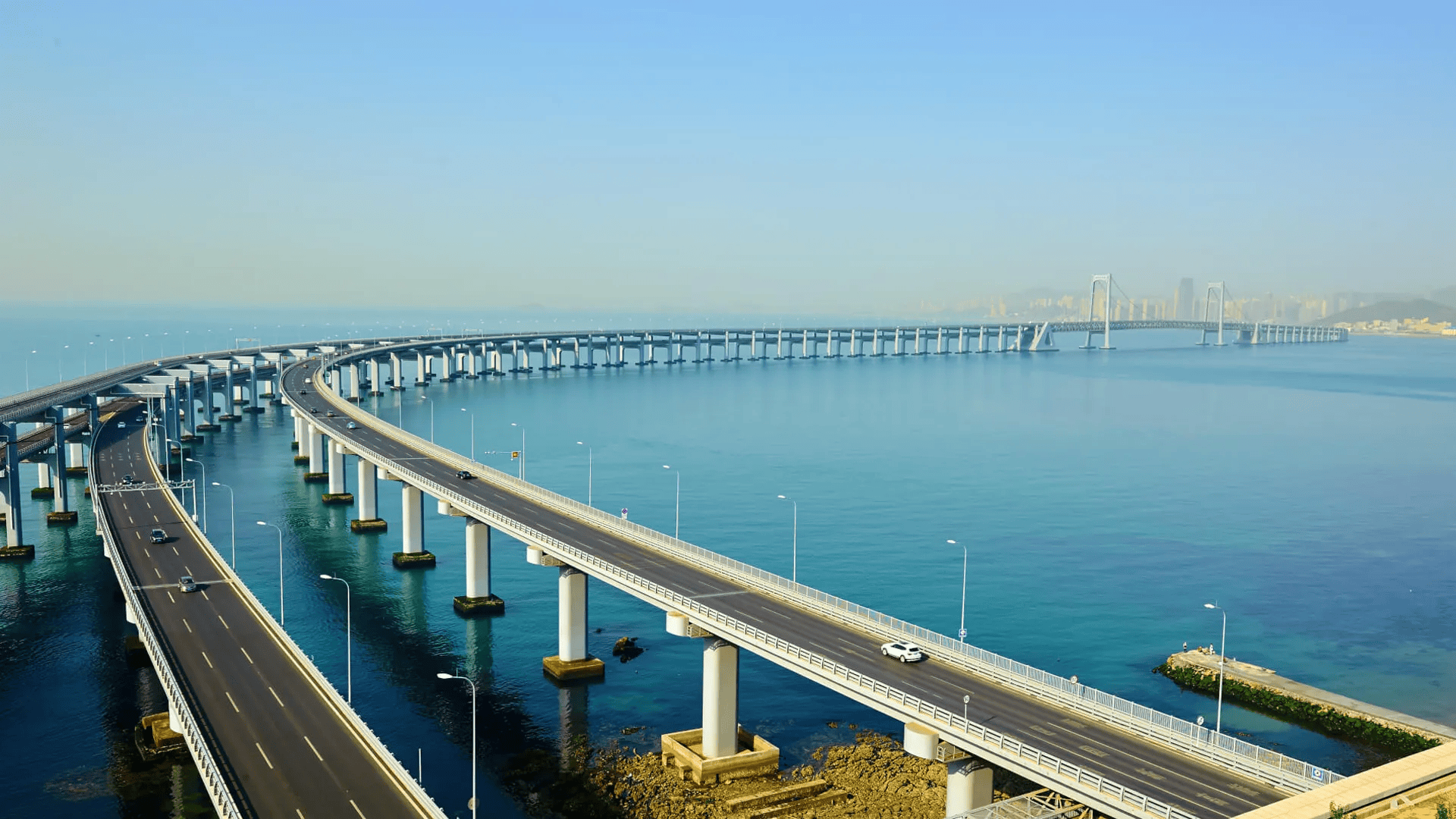
The Mumbai Trans Harbour Sea Link (MTHL), also known as Atal Setu, has made it possible to travel from South Mumbai to Navi Mumbai in less than an hour, which was previously unthinkable. This engineering marvel, which spans Thane Creek for an incredible 21.8 kilometers, is India’s longest sea bridge and makes an exceptional contribution to the urban fabric of Mumbai and Navi Mumbai. Whether you’re a commuter, an investor, or interested in real estate, the Mumbai Trans Harbour Link is a game changer for everyone.
Benefits of MTHL: A Game Changer for Real Estate
The Mumbai Trans Harbour Link (MTHL) is more than just infrastructure; it represents a pathway to the future. Previously, the Mumbai Trans Harbour Link would take more than 2 hours to travel between South Mumbai and Navi Mumbai during peak hours; this timeframe will be reduced by half. Real estate areas like Sewri, Chembur, and Uran are experiencing a significant rebirth, with old, moribund zones being transformed into development centers. Land costs are rising as accessibility improves and planned communities see more residential and commercial development. Importantly, the Mumbai Trans Harbour Link letter is advantageously located within the bigger concept of connecting Mumbai Coastal Road on the west to the Mumbai-Pune Motorway on the east.
Project Summary : (Atal Setu Stats & Features)
The length of Atal Setu is 21.8 kilometres, making it India’s longest cable-stayed bridge. The bridge was inaugurated in January 2024. The bridge is an elevated motorway with six lanes, including two strips on the curb for pedestrians and emergencies. The bridge is intended to last 100 years. The Mumbai Trans Harbour Link required engineering since two distinct sorts of firms from two separate countries (India and South Korea) had to attain this purpose. Companies involved in the project include Larsen Toubro (L&T), Daewoo Engineering & Construction, Tata Projects, and Japan’s IHI Corporation. The majority of the Mumbai Trans Harbour Link bridge’s length is over water (16.5 km) and subsequently over land (5 km), with seismic and high wind mitigation measures in place to ensure year-round operation.
Mumbai Trans Harbour Link – A Fresh Beginning of Accessibility
In terms of connection, the Mumbai Trans Harbour Link is meticulously and purposefully designed, since it crosses Thane Creek and connects Sewri in South Mumbai to Chirle in Navi Mumbai, giving direct east-west corridors. West, it connects to the Mumbai Coastal Road project, which will create a new high-speed arterial road link between south and west Mumbai. East, it connects to the Mumbai-Pune Motorway, NH-4B, and JNPT Port Road at significant nodes, forming a direct route to logistical and industrial hubs. Households and businesses in Mumbai may commute considerably faster from key nodes such as BKC, CBD Belapur, Taloja, and Panvel. The Mumbai Trans Harbour Link is also a congestion reduction measure because it directs traffic away from existing bottlenecks like the Vashi and Airoli bridges.
What You Should Know About the Mumbai Trans Harbour Link Toll Charges
The toll system has been rationalised based on vehicle type and usage. The toll for automobiles is ₹250 for one-way and ₹375 for return trip (within 24 hours). The one-way toll for light commercial vehicles (LCVs) is significantly higher, at Rs. 400 and Rs. 600 for the return travel. Heavy vehicles (trucks and buses) pay more by default, but they can purchase a monthly ticket or tag that provides lower pricing for more frequent use, allowing for a more uninterrupted and stop-free journey. The Mumbai Trans Harbour Link (MTHL) toll rates are modest, letting the authorities recoup capital and maintenance expenditures while staying affordable to frequent users.
Impact on Real Estate
The Mumbai Trans Harbour Link has already had a significant socioeconomic impact. The demand for real estate in the corridor, from Sewri to Uran, is increasing. Developers are beginning to seek targeted residential and commercial developments in line with the Mumbai Trans Harbour Link’s new status as a major development opportunity, impacting reputation in underdeveloped areas.
Rustomjee’s New Launch in Sewri is perfectly positioned to capitalize on this boom. Located near the MTHL entry point, these developments now market exclusive “bridge views” of the monumental structure, instantly elevating the surrounding area into a premium lifestyle corridor. The MTHL’s accessibility has driven positive ripple effects across the entire network: neighbouring areas like Chembur are producing particularly higher rental yields, and Uran, once an industrial backwater, is now a desirable residential possibility. Furthermore, the significantly easier connectivity and reduced congestion are leading major corporations to actively consider Navi Mumbai for establishing satellite offices. By choosing Rustomjee Sewri, residents secure a home that offers not just luxury living but rapid, effortless access to the evolving business and residential hubs of both South Mumbai and Navi Mumbai.
Homebuyer Insight: Why Invest Near MTHL in 2026?
Homebuyers, particularly first-time investors and professionals employed in Navi Mumbai, now have a wealth of options with stunning locations. Places like Sewri are increasingly living options, with direct transportability into corporate hubs like BKC. This permits those who are interested to live in larger, more affordable residences with direct access to transport. Homes along the Mumbai Trans Harbour Link corridor provide a combination of lifestyle, movement, and financial opportunities. Commuting less allows a family to spend more time at home, while rapidly expanding infrastructure offers faster NRC returns for investment. The Mumbai Trans Harbour Link offers buyers and investors both options as well as a better, more future-focused, and attainable end, whether it is for lifestyle or portfolio expansion.
Rustomjee Sewri
Rustomjee has wholeheartedly embraced the Mumbai Trans Harbour Link (MTHL), with premium projects in Sewri. we prioritizes delivery and speed, combining visually beautiful architecture with high-quality fittings, energy-saving solutions, and smart-home connectivity. The Mumbai Trans Harbour Link will act as a portal for urban families to connect to a richer life, with Rustomjee’s new projects easily providing quick access to schools, business parks, and retail.
Check out Rustomjee Sewri’s New Launch near the Mumbai Trans Harbour Link and register your interest. Please visit our website or contact our sales team to schedule a walkthrough, view floor plans, and begin your journey to a smarter future.
FAQs
1: What is the overall length and purpose of the Mumbai Trans Harbour Link?
MTHL (Atal Setu) stretches 21.8 km, linking Sewri in South Mumbai to Nhava Sheva in Navi Mumbai, reducing travel time from two hours to less than 30 minutes.
2: What are the tolls on the Mumbai Trans Harbour Link?
Cars pay ₹250 one-way or ₹375 return, and LCVs pay ₹400 one-way or ₹600 return. Heavy vehicles are more expensive with monthly pass alternatives.
3: How does MTHL promote real estate along its route?
Property demand is increasing in Sewri, BKC, and Bandra due to greater access, speedier commutes, and expanding infrastructure.
4: Which key business hubs benefit from MTHL connectivity?
The MTHL provides direct connections to BKC, Belapur, Vashi, SEEPZ, and the JNPT port corridor, enhancing access for both professionals and logistics.
5: Why should home buyers invest near the MTHL in 2026?
Early investments provide lower pricing, greater appreciation potential, higher rental yields, and larger residences with shorter commutes to major employment areas.