
Vastu is an ancient Vedic science that deals with the design and architecture of buildings and dwellings. If you are building from scratch, you can use Vastu recommendations for residential constructions to live a calm and joyful life. However, if you have an existing building, you must follow all of the Vastu laws that are practically practicable in order to achieve the optimum outcomes. So here are 15+ Vastu suggestions for residential buildings that you should strive to implement.
Vastu Tips for Residential Building
These Vastu guidelines for each room of your residential structure contribute to a seamless, positive flow throughout your home. Learn about them.
Rectangular or square rooms
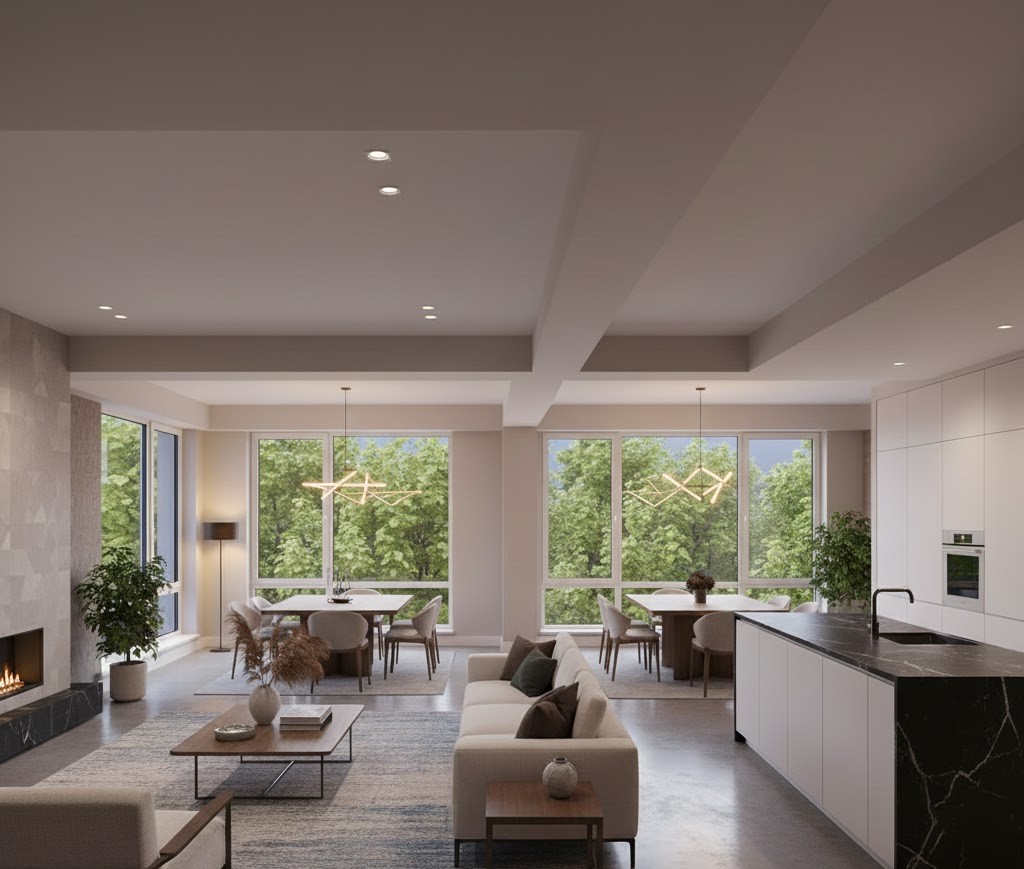
All rooms in residential buildings should be rectangular or square. You should avoid purchasing a residential house or flat with rooms that are oddly formed, such as I-shaped. In the case of rectangular residential houses, the length should not exceed twice the width of the house.
Good ventilation
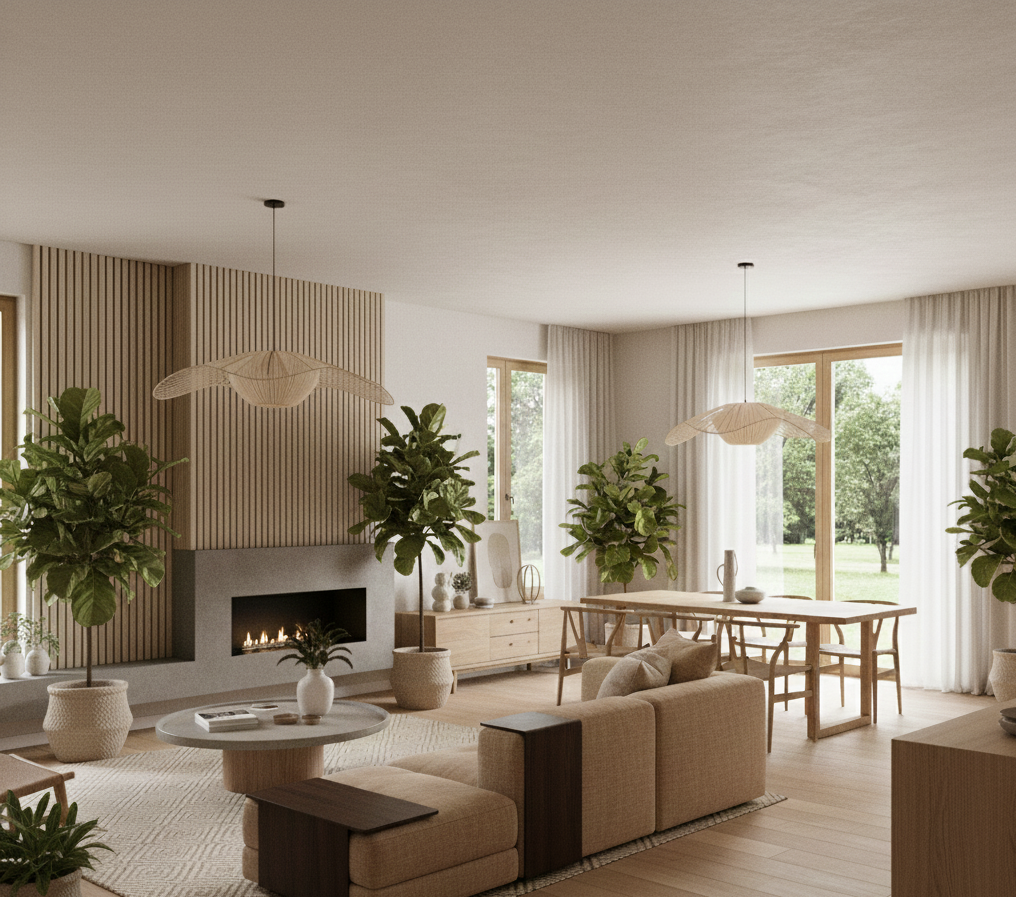
The home you select to reside in should be well-ventilated. There should be good air movement and plenty of sunlight. The dismal and dark rooms would appear sluggish and depressing, serving as a breeding ground for pessimism. Also, you should never leave any area of your house idle or locked for an extended period of time.
Never plant cactus or thorny plants

Vastu laws for residential buildings state that cactus and spiky plants should never be planted. One exception is the rose plant, which you can always grow inside your home. Tulsi (basil) is the greatest plant to have in your home, especially in front of it. You can also grow money plants and a wide range of floral plants to boost positivity and attract a lot of pleasant energy.
Never hang any negative artwork or photographs on the walls.
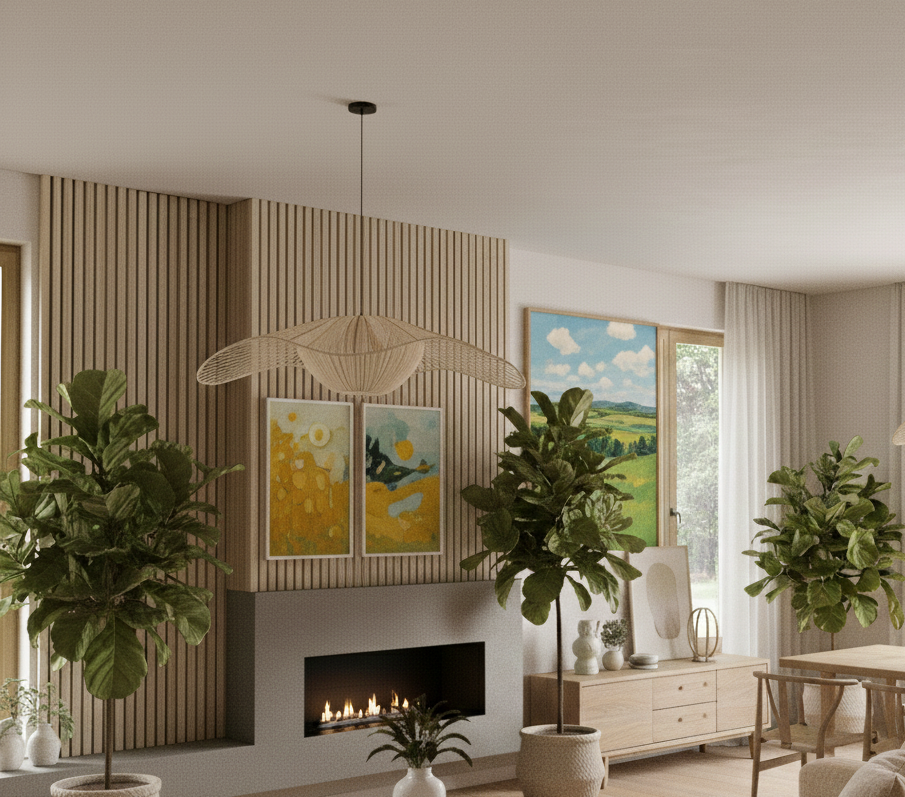
You should avoid hanging any type of art or picture in your home that draws negativity. Never display paintings depicting crime, conflict, grief, sadness, or difficult times. Instead, look forward to putting uplifting and bright paintings on your home’s walls. You can also hang photographs or paintings of gods or religious gurus to create a positive environment in your home.
Keeping your house clutter-free
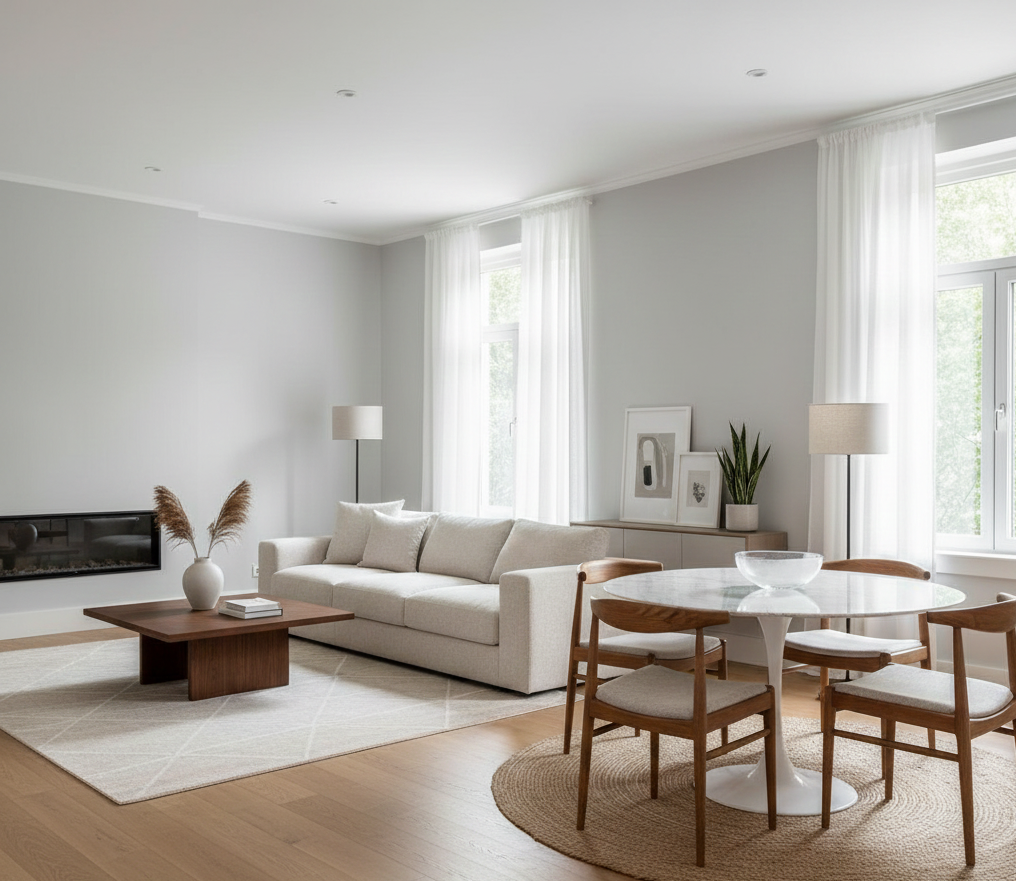
You should always keep your house clean and organised. When your residence is cluttered, it significantly disrupts the flow of energy, causing mental disorientation. The place you live in should be clean, attractive, and large. You can declutter your home and arrange all of the furniture so that you can move about comfortably and freely.
No damaged mirrors as per Vastu of residential building should be retained
Never keep a broken or cracked mirror in your home. Also, make sure that no windows or doors are creaking in your home, and that there are no leaking taps. Always clean your windows and doors.
Avoid sitting, working, or sleeping beneath a beam.
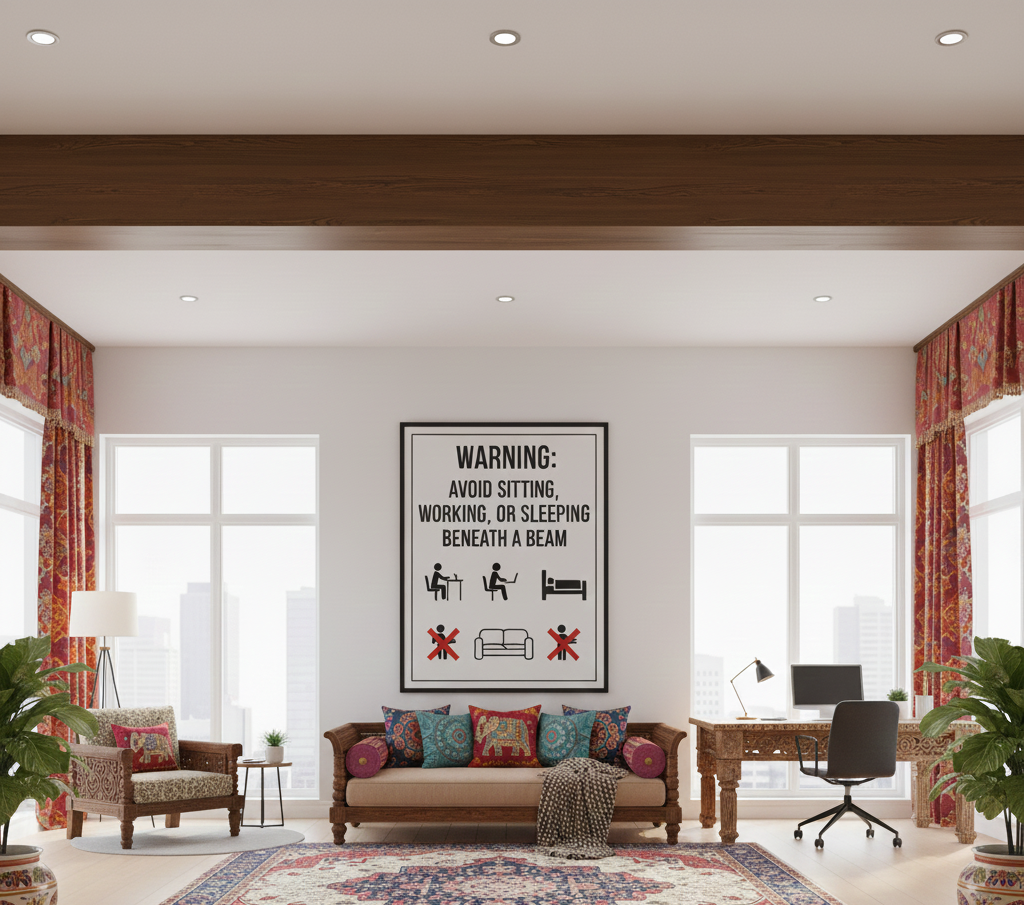
Always avoid sleeping, working, or sitting under any of your house’s beams. If you sleep under a beam, your sleep will be restless and shallow.
Sleep, keeping your head towards the south.
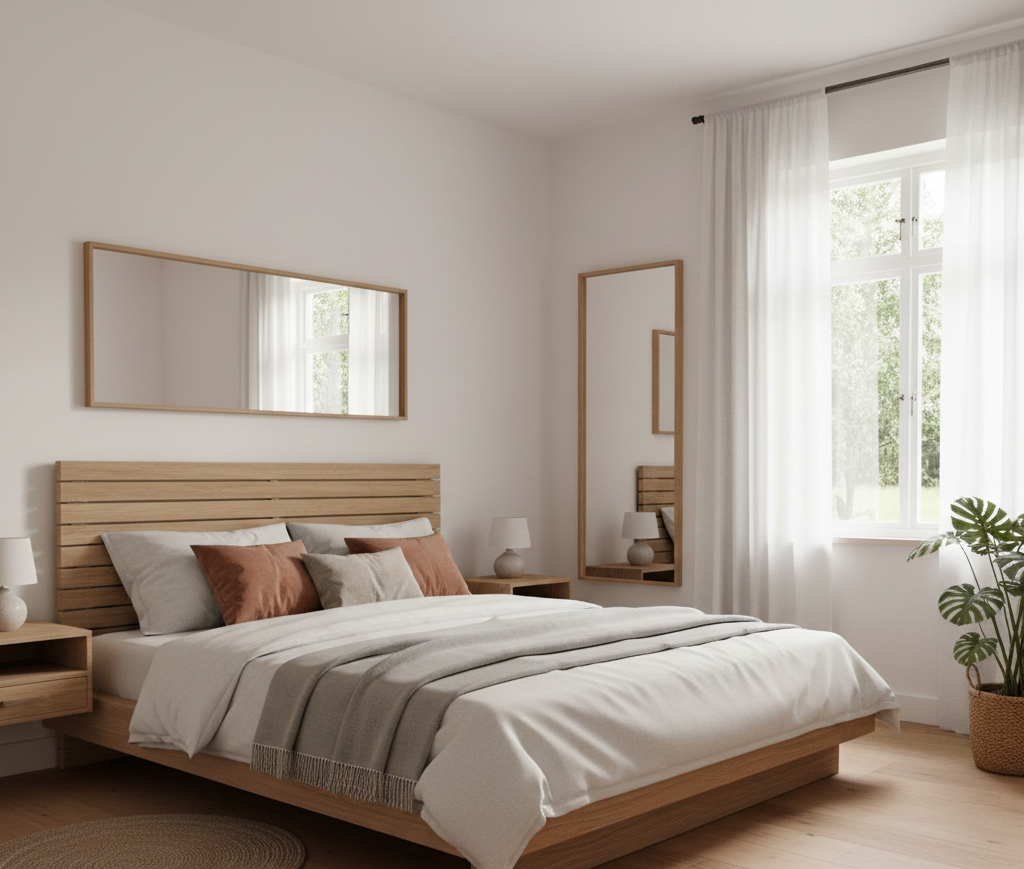
You should preferably situate your bed in the bedroom so that you can lie down, with the bed facing south. Always avoid facing north. It is always best not to keep any electronic devices, such as a computer or television, in your bedroom.
Adding sea salt to the water used for mopping your house’s floors

While mopping your house’s floors, it is recommended that you add some sea salt to the water. Sea salt has the property of removing any persisting negativity in your house.
Vastu rules for kitchen
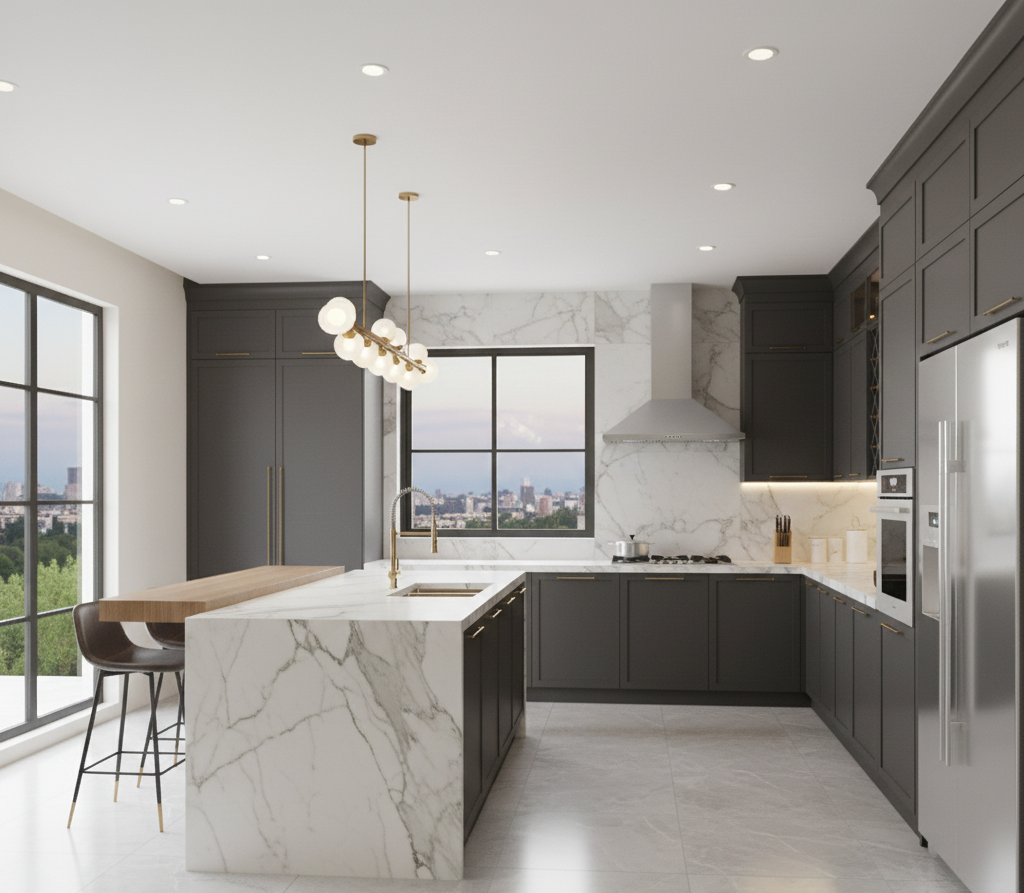
Fire and water should never be kept in close proximity in the kitchen. You should never build restrooms or toilets over or below the kitchen.
Vastu rules for study room
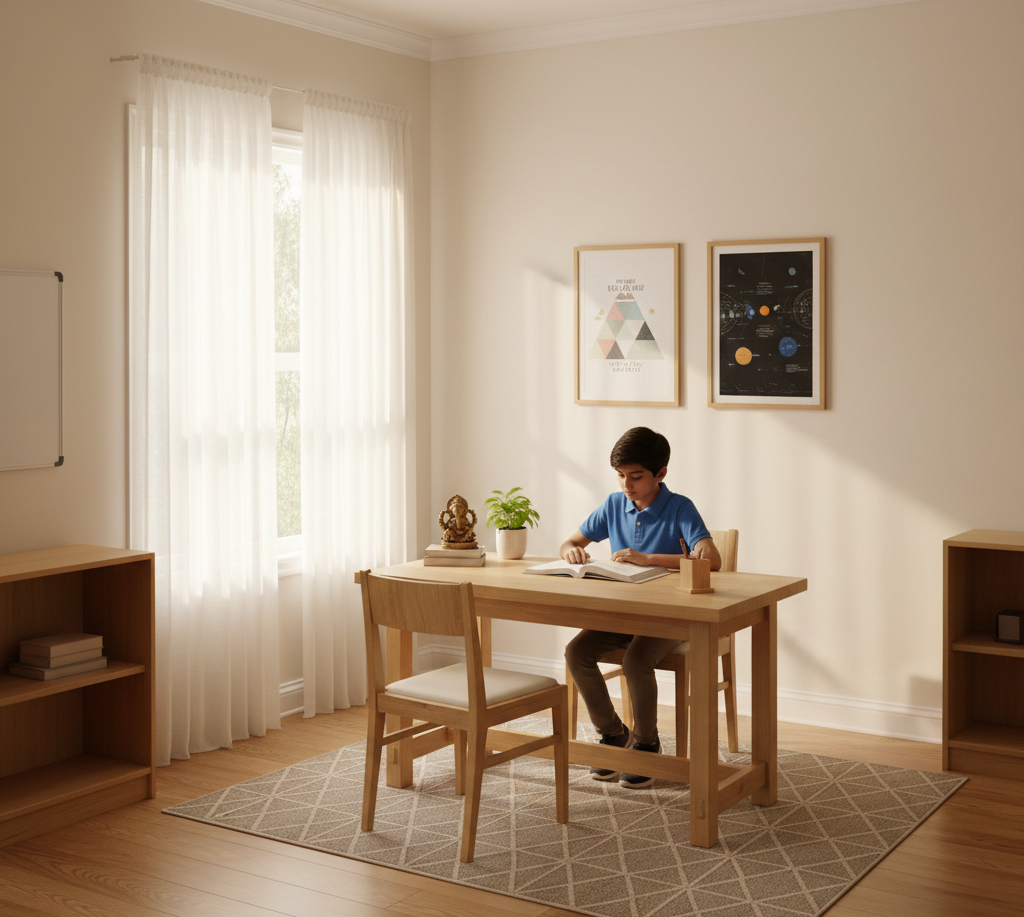
If you have students in your home, make sure they face east or north when studying. Ideally, there should be some free space in front of the pupils to allow them to think properly while also inviting new and fresh ideas. Keeping the study space and study table clutter-free is unquestionably necessary. You should keep in mind that study rooms should never be located below a beam or the toilet.
Vastu rules for pooja room
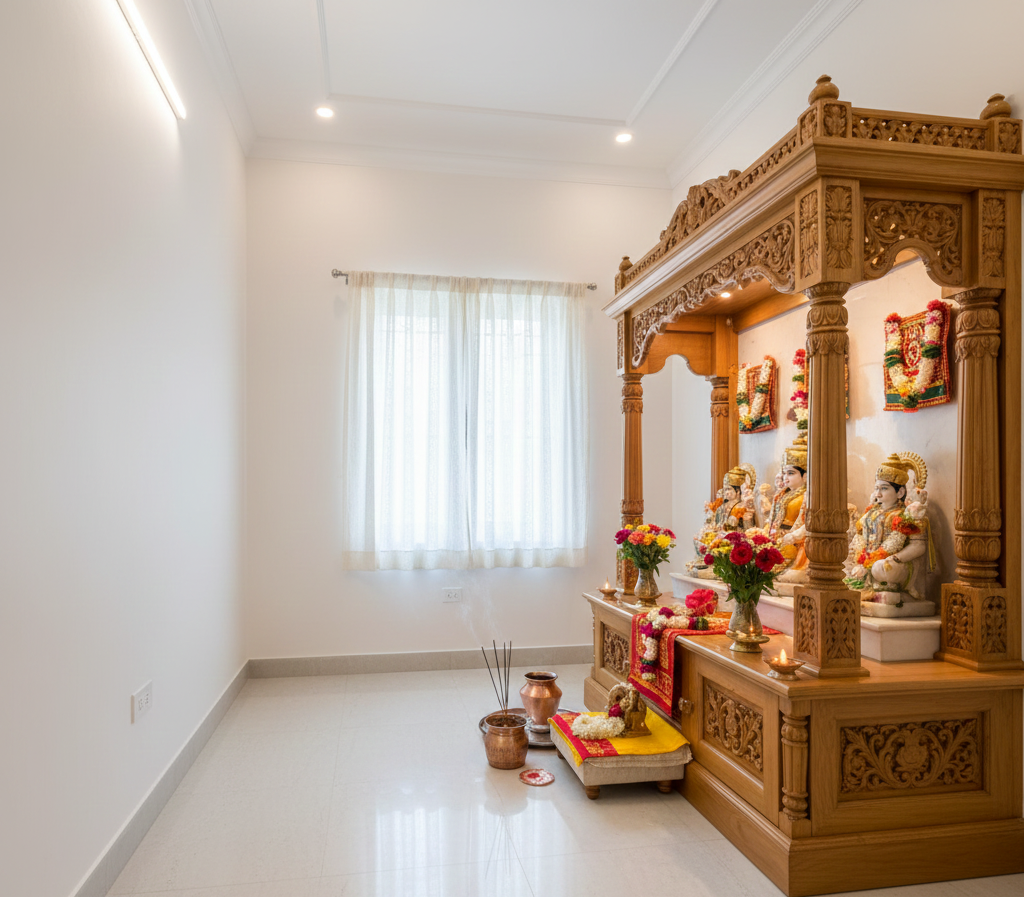
You should never build a pooja room next to the toilet. You should avoid building a pooja room over or below the toilet because it is the ideal location for sattvic energy.
Vastu rules for furniture
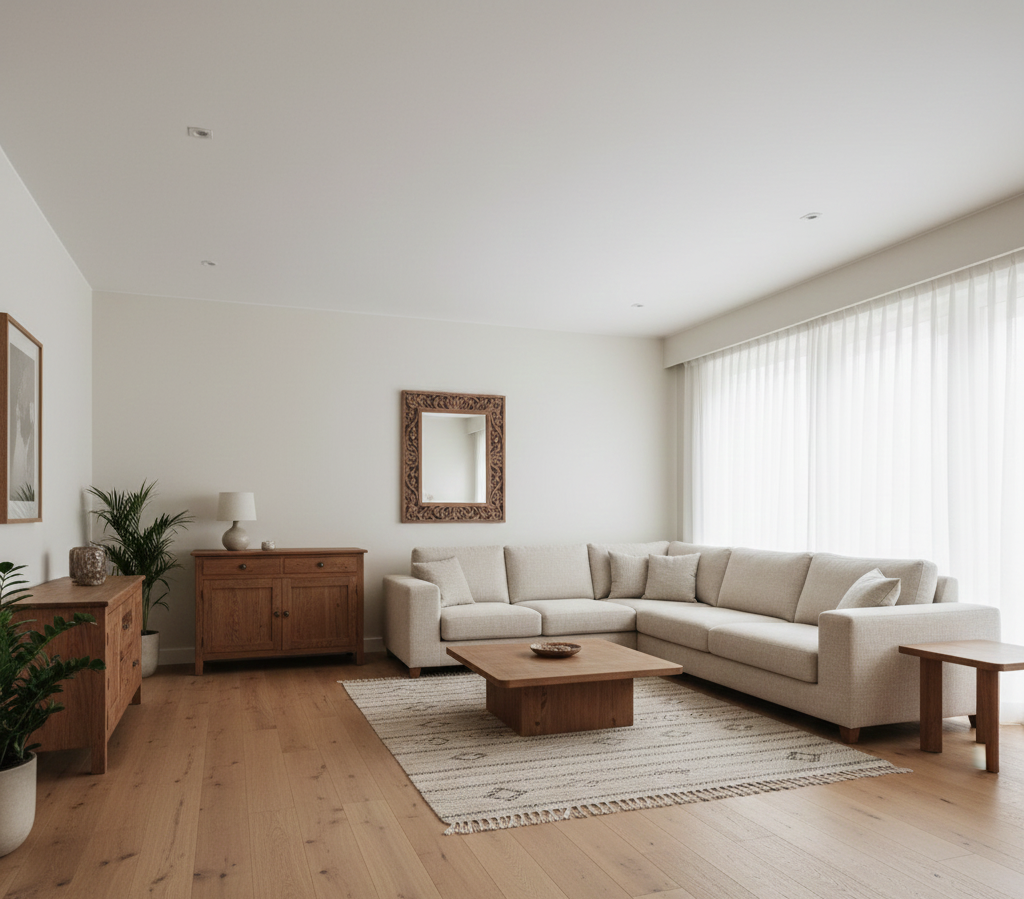
Ideally, you should utilise a wooden bed. You must avoid utilising wrought iron beds. Also, make sure that there is no debris below your bed. In the event of a double bed, you should utilise a single large mattress rather than two individual mattresses. According to Vastu guidelines for residential buildings, never place a mirror in front of or near to your bed.
Never move into a house that is under construction.

Ideally, you should never move into a house that is still under construction. Try to have the construction completed before you move into the residence. Always hold a house-warming or puja ritual before moving into a new home.
The main door’s opening pattern
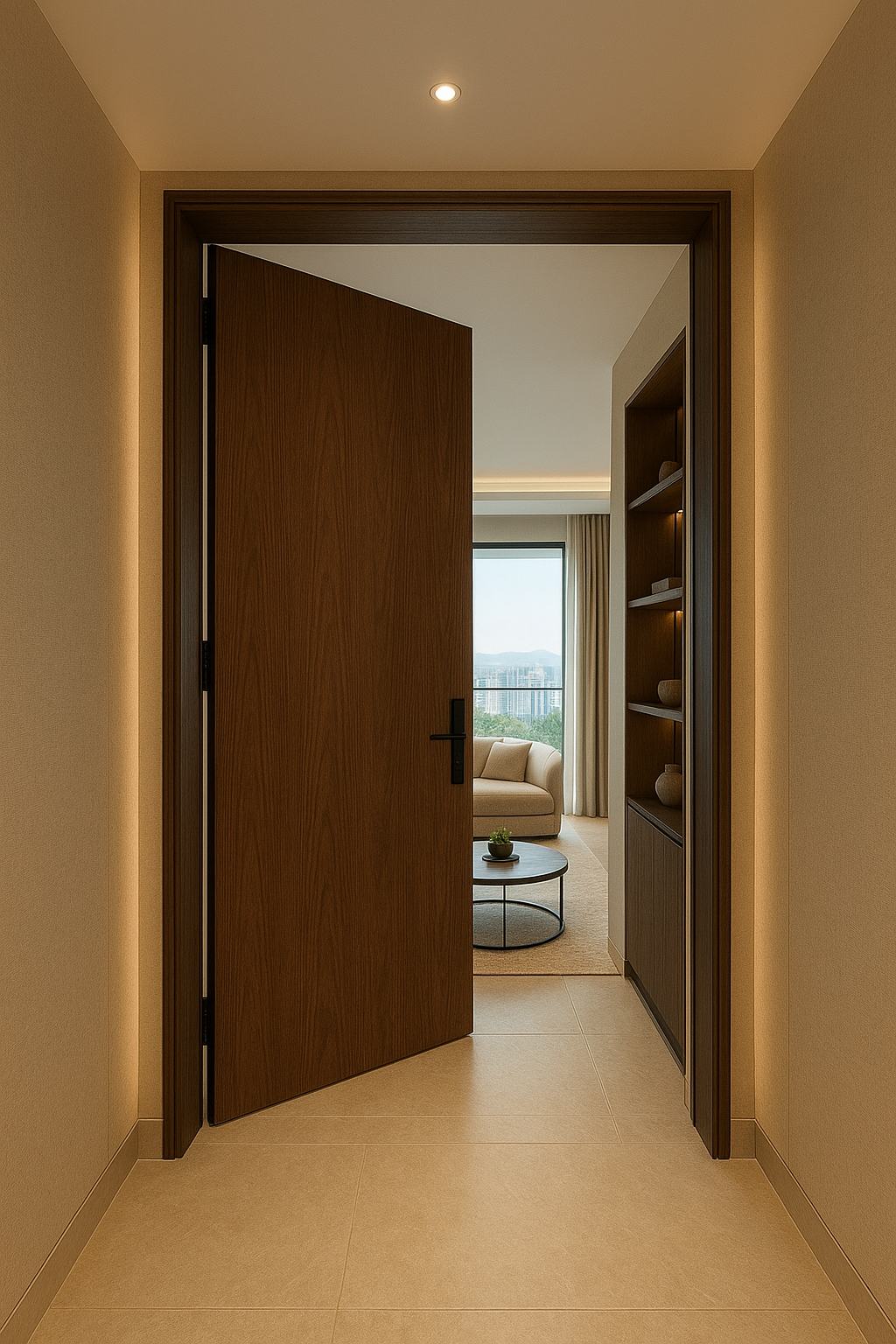
The main door of the house should always open inside, never outward. Avoid any type of blockage to the main door, such as automobiles, plants, or furniture.
Vastu for shared spaces in residential buildings: the main entrance, common hallways, and staircases
As an owner, your entire residential structure need good energy. Your primary responsibility is to manage the common spaces. They set the tone. This overall vitality permeates every rental flat. Following Vastu principles for residential buildings might help you locate and retain wonderful tenants.
Vastu for the main entrance in the residential building.
The primary gate welcomes all beneficial energy. It is the face of your entire property.
Keep the main door area immaculate. Dirt prevents money from entering the building.
Do not allow plants or bins to block the entry. A blocked entry is detrimental to your Vastu for residential building rating.
Ensure that the outdoor space is always bright. Use a good light in the north or east direction. Light draws luck.
Avoid placing huge trees or electric poles right in front of the entrance. This is a significant Vastu flaw affecting the entire structure.
Vastu for common hallways in residential buildings.
Hallways bring positive energy to every unit. They must be free to move.
Don’t allow clutter accumulate in the passageways. Clutter generates blocked and negative energy. This frequently leads to disagreements among tenants.
Use light, gentle colours for the walls. Cream, pale yellow, or off-white are ideal for common areas.
Ensure that the hallways receive fresh air and sunlight. Poor ventilation produces very low Vastu energy.
Vastu for Staircases in Residential Building
The steps transfer life power from one floor to the next.
Never place the stairs in the precise Northeast corner. This is a common Vastu for residential building blunder that might result in financial loss for the homeowner.
When someone walks up, the stairs should turn clockwise (right). This creates a good movement.
Keep the space behind the steps empty. Don’t keep broken stuff or rubbish there.
By addressing these frequent issues, you may generate a strong, positive aura. This makes your residential building a magnet for satisfied, dependable tenants and higher rental income.
Summarising Vastu Tips for Residential Buildings
With numerous Vastu principles to consider, creating a fully Vastu-compliant home can feel overwhelming. However, by integrating the Vastu guidelines mentioned above, you can shape a harmonious and positive living space that invites prosperity, well-being, and abundance for your family. Rustomjee’s thoughtfully designed residences already prioritize natural light, balanced layouts, and positive energy flow — and by consulting a Vastu expert during your home planning, you can further enhance the good fortune and serenity your dream Rustomjee home brings.